

Services
-
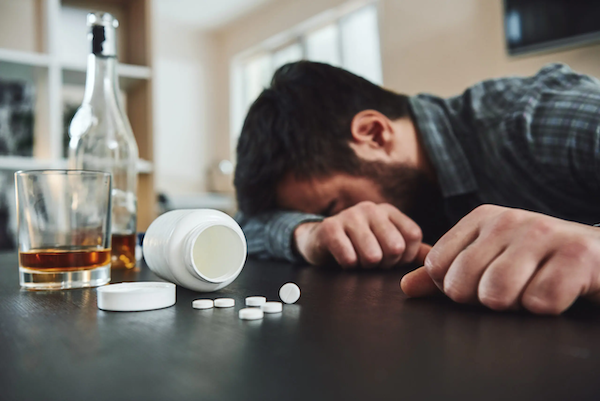
Addiction / Substance Misuse
Indulgence in behavior(s) that results in harm to one’s life including the inability to manage or moderate this behavior on one’s own.
-

Adolescent Therapy
Adolescence is between ages 10-19. This stage is characterized by rapid cognitive, physical, and psychosocial growth.
-

Brainspotting
A type of therapy that focuses on processing emotionally charged and/or traumatic memories through bilateral stimulation and eye movement. The science shows: “where you look affects how you feel“ (same approach as EMDR).
-

Child Therapy
Counseling for toddlers and children through age 9.
-

Clinical Assessment
A process that gathers in formation about someone’s mental, emotional, psychological, learning, and processing conditions to assist in diagnosis and treatment planning.
-

Clinical Supervision
A process that focuses on improving the quality of therapy by providing support, education, and professional oversight to newer practitioners and licensed clinicians.
-
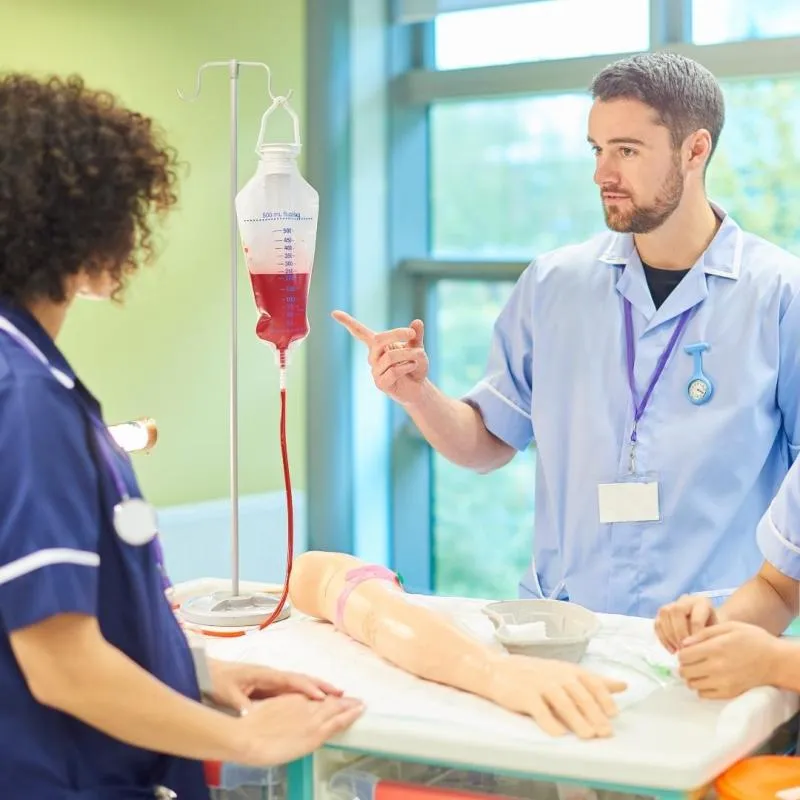
Clinical Training
CARE Counseling welcomes practicum students, interns, consultation, and those interested in the field for clinical growth and training.
-

Continuing Education
CEs are units that satisfy a licensing board continuing education requirements and provide professionals with training on various topics.
-

Couples Therapy
Counseling for couples, partners, spouses, and those who want to sterengthen their relationship or wish to seperate or divorce.
-

Culturally-Conscious Therapy
This approach specifically considers aspects of your background and identity in your journey, whether that be culture and cultural traditions, race, religion, family lineage, etc. What is considered a ‘disorder’ in one context may be strength in another.
-

Dissociative Disorders
An involuntary reaction to stress - a person disconnects from their thoughts, feelings, memory, surroundings, and/or sense of self.
-

Family Therapy
Group counseling that consists of a family unit, chosen family, or people closest to you in your support network.
-

Individual Therapy
One on one therapy.
-

Internal Family Systems
An incredibly effective model, IFS can be characterized as a journey that explores parts of yourself that ‘get in the driver’s seat’. This model helps individuals experience lasting change with persistent or particularly stubborn issues.
-

LGBTQIA+ and Queer Therapy
For all who are queer. It is not therapeutic to receive counseling from someone who doesn’t provide unconditional positive regard. At CARE Counseling, we do - we are also active, unwavering allies.
-

NeuroAffective Touch®
A modality targets developmental, emotional, and relational deficits that verbal approaches alone cannot address. A psychobiological method informed by polyvagal theory, combines essential aspects of somatic psychotherapy, attachment and developmental theory, psychodynamic therapy, and affective and interpersonal neurobiology.
-
Neuroscience-Informed Counseling
Neurobiological factors are at the crux of our emotional and psychological experiences. If this information interests you, you can have this as an element of your treatment.
-

PTSD
Trauma is anything that was too difficult for the mind and body to process in a given moment - we tend to stereotype traumatic events which is inaccurate and unhelpful. Post-Traumatic Stress Disorder (PTSD) was originally characterized by a single-event trauma (car accident, assault, shooting, significant loss, etc).
-
cPTSD
Complex Post-Traumatic Stress Disorder (CPTSD) is developed through chronic, long-term trauma (domestic violence, ongoing assault, chronic stress exposure, etc).
-

School Support and IEP / 504s
For kiddos and individuals who need different or extra support in an educational setting.
-

Client Intensives
Therapy intensives are concentrated, often shorter-term therapy programs that focus on specific goals or issues, typically lasting several hours over one or more days.
-

Trauma Therapy
A specialized form of psychotherapy that aims to help individuals process and heal from the psychological and emotional effects of traumatic experiences.